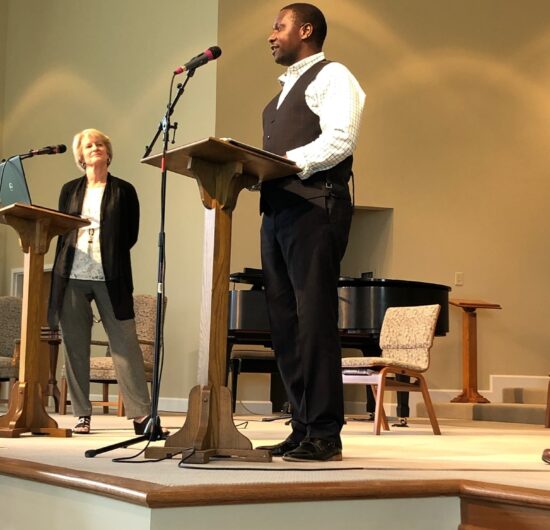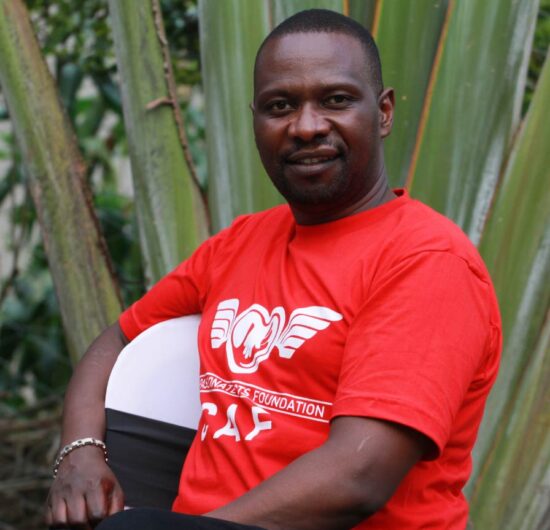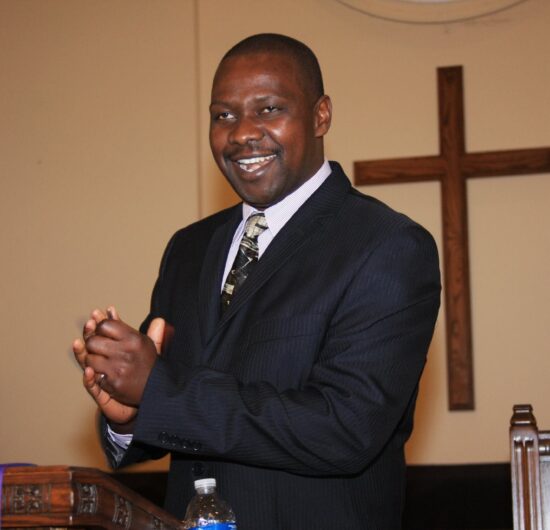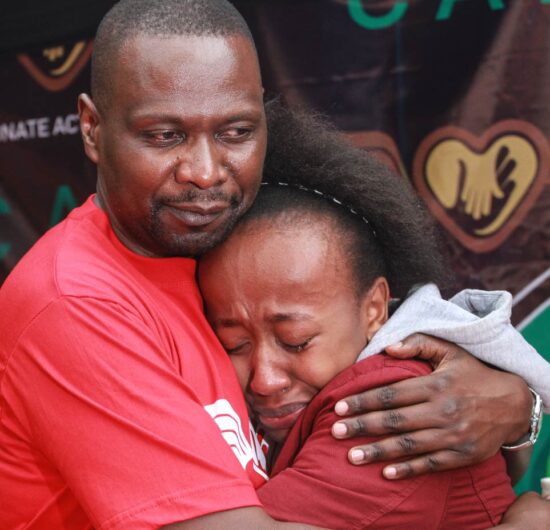
Pst. John Macere
Founder - RFI Foundation
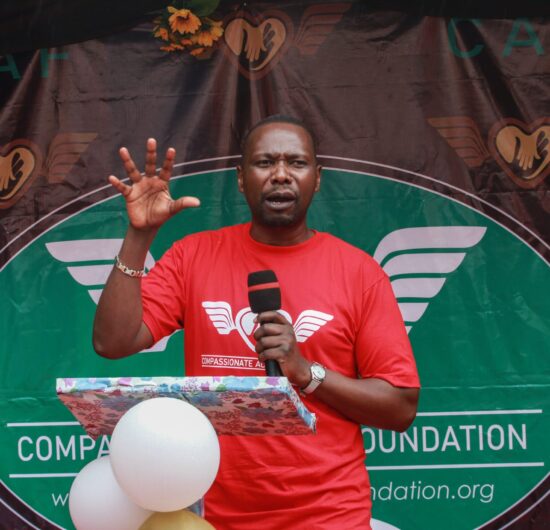
The journey of Pastor John Mugwimi Macere.
Pastor John Macere’s journey is deeply rooted in personal experience.
Born and raised in rural Kenya, he grew up in a humble family and experienced firsthand the challenges that poverty can place before a child, particularly in accessing and remaining in school. His own education was interrupted several times by financial difficulties, giving him a personal understanding of how circumstances can limit a young person’s opportunities.
Those experiences, together with his years of serving others through the church, shaped a lasting commitment to helping people facing difficult circumstances. Having experienced the support of others during his own journey, he developed a deep compassion for those who were struggling and a desire to extend that same hope to others.
What began as a personal desire to make a difference eventually grew into a foundation dedicated to restoring hope and creating opportunities for vulnerable children, families, and communities.
Today, that journey continues through Restored Futures International Foundation.
We believe that difficult beginnings do not have to determine how a person’s story ends. With compassion, opportunity, and the support of others, lives can be transformed and brighter futures can be made possible.


- About Me
My Story
It Started With a Personal Experience.
I was born and raised in Kirinyaga County, Kenya, in a family of seven.
My parents were ordinary peasants in our village, and I grew up like many other children around me who lacked some of life’s basic necessities.
My father was able to take me to school, but he did not have sufficient means to keep me there without interruptions. I missed most of my classes.
When I completed primary school, I could not join high school because my family could not afford the school fees and other requirements.
So I repeated Class Eight for another academic year, hoping that the additional time would give my father an opportunity to raise the money I needed for high school.
It did not.
After another year of waiting, I did not repeat Class Eight again. Instead, I stayed out of school for another academic year.
Eventually, I was able to join a local day secondary school that was somewhat more affordable.
But the struggle continued.
My parents still found it difficult to keep me in school, and I was frequently sent home. I spent a great deal of time out of school, particularly during my final year.
Yet through all these challenges, I remained active in my local church.
By God’s grace, I eventually graduated from high school — but I left behind a very large debt.
Education Was Never Something I Took for Granted.
Life did not suddenly become easier after high school.
Now that I was out of school, I was able to devote myself fully to serving in the church. Several years later, the church helped me join theological college.
But once again, I encountered the same challenge I had known throughout my education: not having enough money to remain in school.
Community members and well-wishers came together to conduct fundraisers to help me continue my studies.
Eventually, I graduated.
I continued serving in the church as a volunteer, without pay.
Having personally gone through these experiences, I understood what it meant to be in genuine need.
I had experienced the uncertainty of not knowing whether I would remain in school. I had experienced being sent home because of fees. I had experienced relying on other people to help me continue my education.
These experiences changed the way I understood poverty.
Poverty was not an abstract idea to me. I had lived it.
And I came to understand that poverty is real — and that it is not simply a personal choice.
From Experience to Calling.
I believe I have been given a gift of mercy and generosity.
Whenever I identify someone who is in need, the first thought that comes to my mind is: “How can I be of Help?”
That question has influenced the way I have lived and served.
Before relocating to the United States, I served with different churches in Kenya as a volunteer. There, I witnessed extensive suffering among poor people within the church congregations and communities I served.
Their struggles resonated deeply with me because I understood them.
I had come from a similar background.
Whenever possible, I began helping unfortunate families through fundraisers within the church and the communities where I served.
What I had experienced personally was becoming a reason to reach out to others.
RFI Foundation Journey:

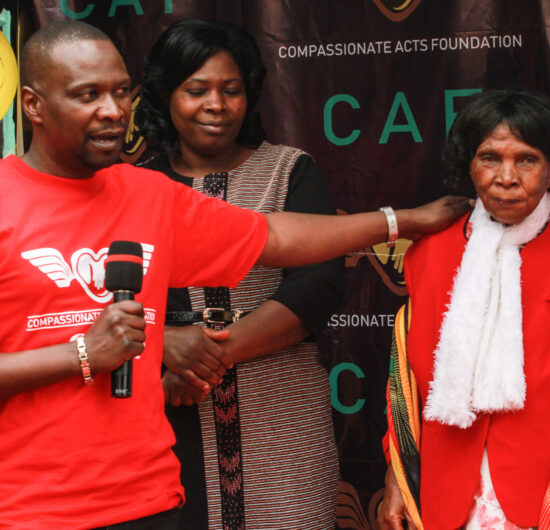
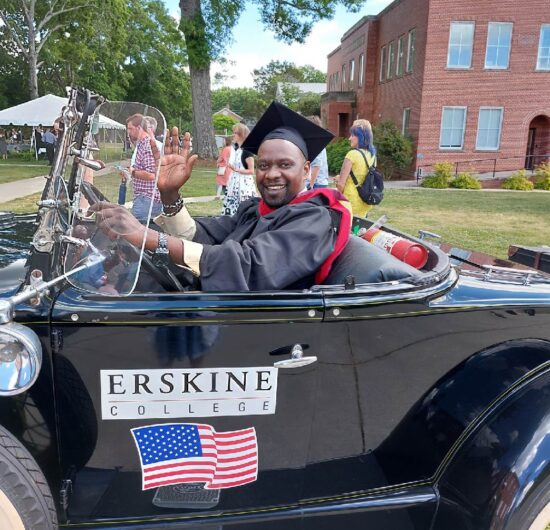
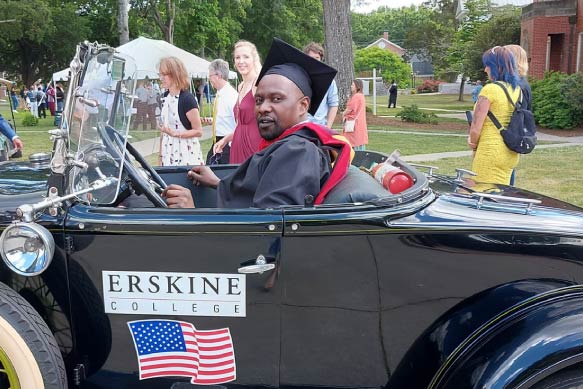
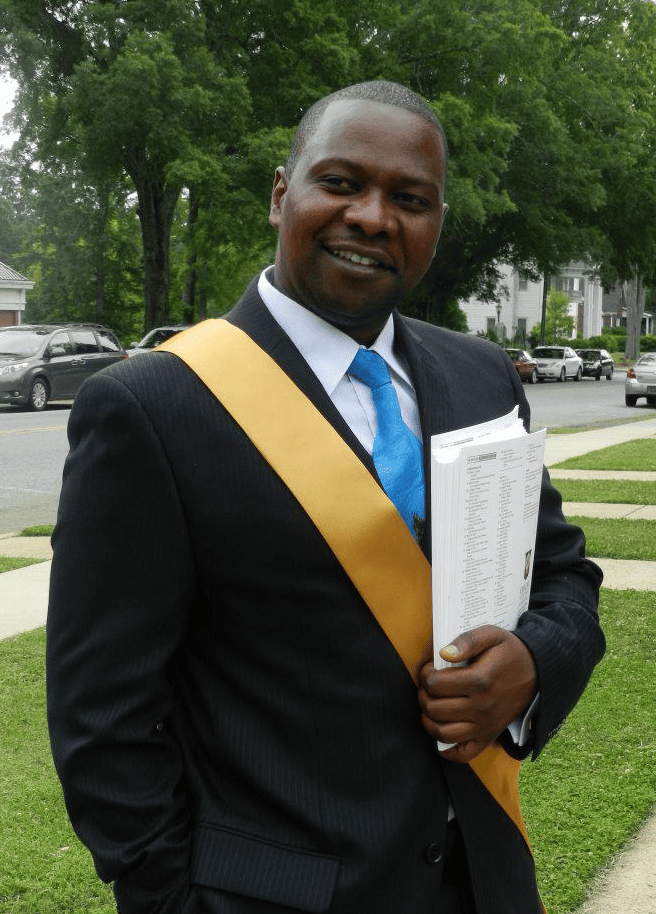
In 2012, while attending Erskine College in South Carolina, USA, I founded what was then known as Compassionate Acts Foundation (CAF).
The foundation grew from something very personal: a desire to help people who were facing circumstances I understood firsthand.
The needs were different from one person to another.
For some, it was the struggle to remain in school.
For others, it was the inability to meet basic household needs.
For families experiencing hardship, even necessities that many people take for granted could become overwhelming.
The work began with helping where help was needed most.
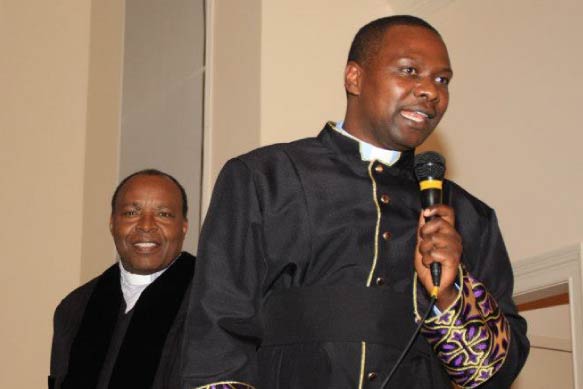
While serving as a theological intern at International Community Outreach Church (ICOC), I saved the compensation I received and later donated it to needy students in Kenya.
After graduating in 2013, I continued serving with ICOC as a full-time volunteer.
When I secured a second job, I made the decision to devote my income toward educating impoverished students in Kenya through Cornelius Acts Foundation.
What had once been my own struggle — finding a way to remain in school — became a reason to help another student remain in theirs.
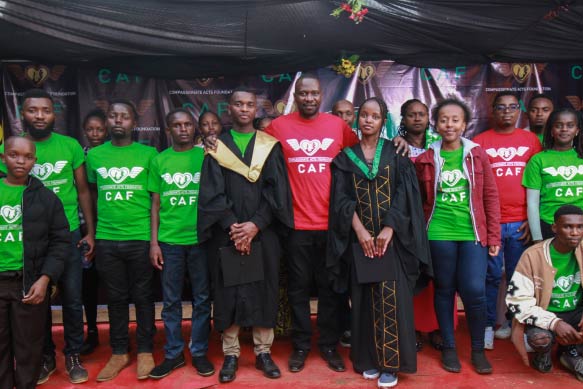
Over time, the work of the foundation extended beyond individual acts of assistance.
Students were supported with:
Tuition.
Helping them remain in school.
Learning materials.
Providing some of the resources they needed to continue their education.
Housing and upkeep.
Helping address some of the circumstances that could otherwise interfere with their education.
The foundation also supported volunteer ministers of the gospel and their church projects in Kenya.
And where families were facing severe hardship, assistance extended to basic needs such as food and shelter.
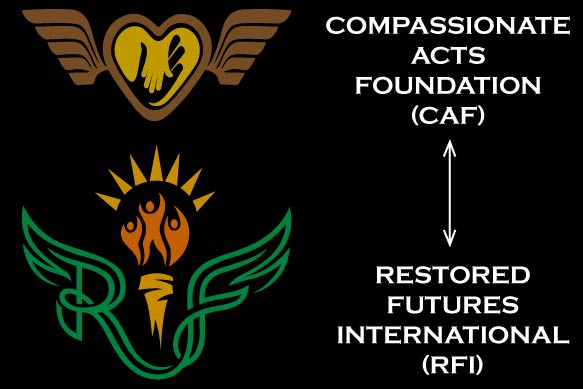
The name has changed.
The journey has continued.
Compassionate Acts Foundation became Restored Futures International — but the story behind the work remains rooted in the experiences that inspired it in the first place.